
Platinum and Palladium Prints
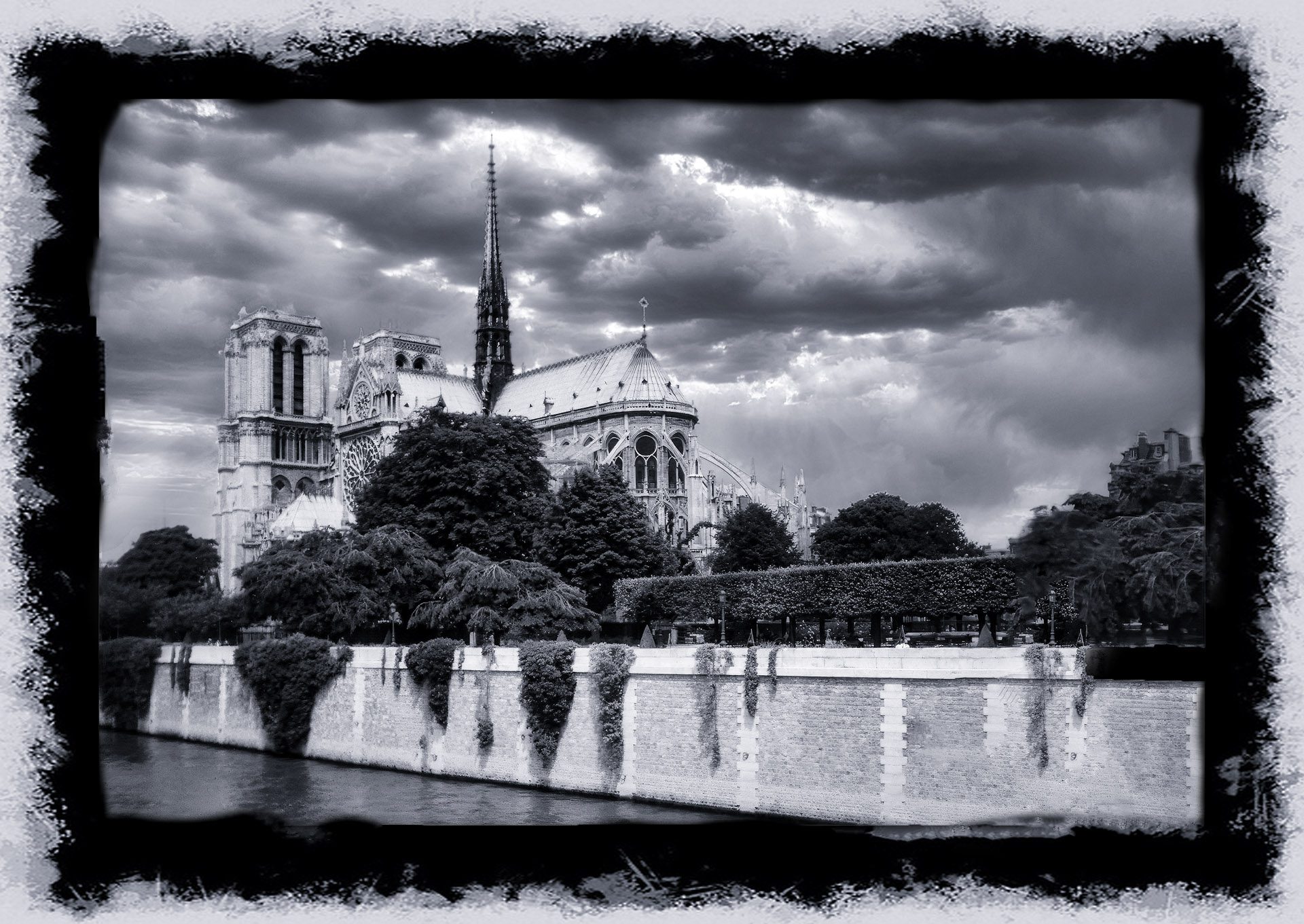
Platinum and palladium prints are rare these days. But Alfred Steiglitz and others used this approach extensively in the late 19th and early 20th centuries. Platinum became popular with the “pictorialist” photographers. They aimed to enhance the evocative handmade character of their photographs through things like visible brush strokes and color variations.
Platinum printing as in the image above is a contact print process using a “dim room,” rather than a darkroom. You place a negative directly on paper that is hand-coated with platinum and iron salts. You can make negatives from digital files. It takes some work to produce a negative with the correct contrast. Developing the print starts with exposing it to ultraviolet light, either from the sun or an artificial UV light source. The last steps involve immersion in developer and fixer solutions, then washing in water.
Every platinum print is unique, because the result varies depending on the humidity, wetness of the paper, temperatures during processing, the characteristics of the paper, and the variations of coating and developing materials. Because the platinum solution penetrates into the paper, the print takes on the look and feel of the paper itself.
I especially like platinum prints that, as in this photo, show the original brushstrokes from application of the platinum solution to the paper. These prints have beautiful and gentle gradations from deep black to white. Platinum print hues can vary, but many are a warm color. However, I favor the bluish monochrome color you see here. Typically printed on heavy uncoated matte paper, the feel of the print is luxurious when held.